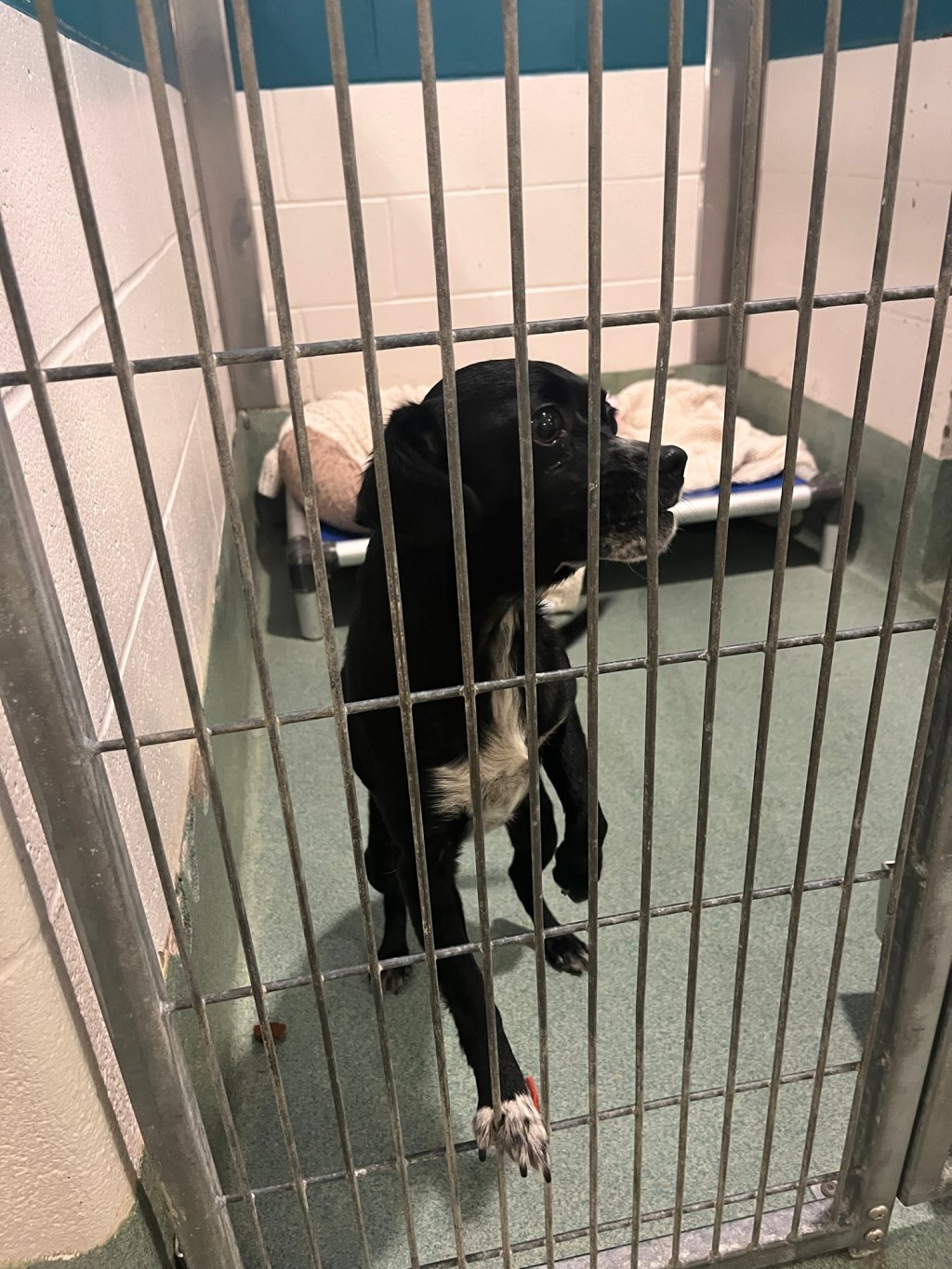
Across the United States, animal shelters are facing a growing crisis: overcrowding. What was once a temporary surge during the pandemic has evolved into a persistent challenge, driven by economic hardship, housing instability, and a lack of resources. The result? Shelters bursting at the seams, staff stretched thin, and animals waiting longer than ever for a second chance.
I’ve seen this firsthand in the Wake County animal shelter, and sometimes it feels like a never-ending struggle. But recently, things are starting to trend back down to normal levels. How did Wake County fix its extreme overcrowding back down to more typical levels of high capacity, and what can we do to help?
Why Are Shelters Overcrowded?
Several factors contribute to the overcrowding:
- Economic Strain: Rising costs of pet care, food, and veterinary services have forced many families to surrender their pets.
- Housing Instability: Evictions and pet restrictions in rental housing leave owners with few options. Especially with the breed specific pet restrictions Wake County faces, pit bulls and bully breeds are struggling to find homes.
- Post-Pandemic Reversals: The surge in pet adoptions during lockdowns has been followed by a wave of returns as people resume office work and face financial pressures.
- Low Spay/Neuter Rates: Unplanned litters continue to flood shelters, especially in areas lacking affordable veterinary care.
What Happens Inside an Overcrowded Shelter?
When shelters exceed capacity, the ripple effects are immediate and severe:
- Limited Kennel Space: Animals are housed in offices, hallways, and temporary crates.
- Increased Stress: Noise, confinement, and lack of enrichment can lead to anxiety, aggression, and illness among animals.
- Reduced Adoptions: Overwhelmed staff and cramped conditions make it harder to showcase animals to potential adopters.
- Euthanasia Risk: In some shelters, lack of space forces heartbreaking decisions to euthanize healthy animals to make room.
The Human Toll
Shelter workers face emotional burnout as they juggle intake calls, care duties, and tough choices. Many report receiving dozens of surrender requests daily, often from pet owners facing impossible decisions—choosing between feeding their families or their pets.
What Can Be Done?
While the problem is complex, there are actionable solutions:
- Community Support: Pet food pantries and low-cost vet clinics can help families keep their pets.
- Education & Outreach: Promoting responsible pet ownership and the importance of spaying/neutering reduces future intake.
- Foster Programs: Temporary homes relieve pressure on shelters and improve animal well-being.
- Policy Advocacy: Supporting pet-friendly housing policies and funding for animal welfare services can create systemic change.
How You Can Help
- Adopt or foster from your local shelter
- Donate supplies or funds
- Volunteer your time – it’s easy and rewarding!
- Share adoptable pets on social media
- Advocate for pet-friendly housing and accessible vet care
Overcrowded shelters are more than a logistical challenge—they’re a reflection of broader societal issues. But with compassion, community effort, and smart policy, we can turn crisis into opportunity and ensure every animal has a safe place to land.
Wake Couty has begun to do just that, with a surge in volunteer turn out after their clear the shelter events. You can help too, just keep shelter pets in your minds!
Do what you can and Trailblaze on!
— Kaya and the Trailblazing Unleased Pack
 Trailblazing Unleashed
Leave a comment