Including Tips for Disabled Dogs and Tripods
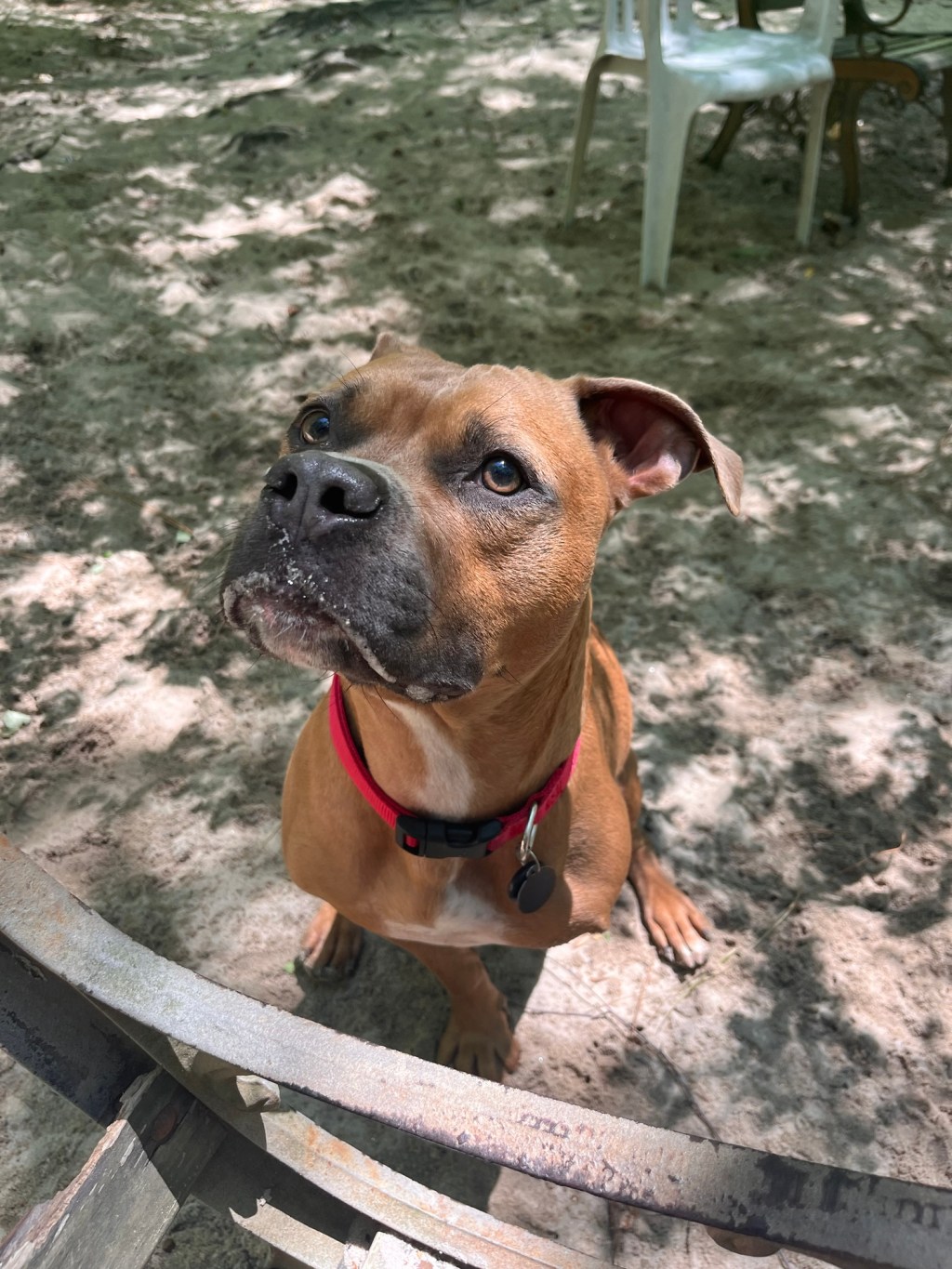
Trace and I are gearing up for an exciting trip this fall! We’re heading to New York City in just over a month, and I’m so excited to travel together. But traveling with a service dog is an entirely new experience for me when we talk about planes and hotels and big cities (let’s face it I’m a bit more of a camping adventure girl) so it’s a lot for us to learn and to take on!
One of my biggest concerns is about the amount of walking we will be doing, as this is a part of a school trip, and we can’t really set the pace ourselves. However, part of our prep work is to increase our walking range and slowly build up strength/stamina.
Whether your pup is a four-legged sprinter or a tripod like Trace, increasing their walking range can boost physical health, mental stimulation, and the bond you share. For service dog teams, it can increase both your ranges! But doing so safely—especially for dogs with disabilities—requires strategy, patience, and a whole lot of love. Here’s how we’re getting started.
Why Walking Range Matters
- Improves cardiovascular health
- Strengthens muscles and joints
- Reduces anxiety and boredom
- Supports weight management
- Encourages confidence and independence
- Makes service dog teams even more adaptable
For disabled dogs and tripods, these benefits are even more critical, helping them adapt and thrive despite physical limitations.
Step-by-Step Guide to Expanding Walking Range
1. Start with a Baseline
Track your dog’s current walking tolerance. Use a timer or fitness tracker to log how far and how long they walk comfortably. For tripods, observe gait and posture—look for signs of fatigue or joint strain.
For Trace specifically, we usually start to see excessive drooling or general heat symptoms before he begins to wear out. Then he lays down and we both call it a day.
2. Use the 10% Rule
Increase distance or time by no more than 10% per week. This gradual approach prevents overexertion and allows muscles and joints to adapt. I’ve done a bit of research on doggy sport training, and this is what most vets and trainers agree on.
3. Incorporate Rest Days
Just like athletes, dogs need recovery. Schedule rest days or shorter walks between longer ones to avoid burnout—especially important for senior or disabled dogs.
4. Listen to Your Pup
Not literally, though if they’re a bit chattier why not. Make sure you’re watching for signs of stress or over exertion but additionally look for signs of excess energy. As Trace and I have been expanding our horizons, on days we’re more stationary, he’s prone to bouncing off the walls. If they’re begging for more activity, give it to them!
Special Considerations for Disabled Dogs
Mobility Aids
- Support slings help dogs with hind leg weakness stand and walk with assistance. We have also found a backpack emergency sling for if Trace gets too tired on the move.
- Wheelchairs can restore mobility for dogs with paralysis or severe joint issues. These can be expensive, but seem to work for some!
- Orthotic braces and prosthetics offer stability and reduce strain on compromised limbs. Once again, expensive, but useful,
Weight Management
Excess weight puts pressure on joints and remaining limbs. A lean body helps disabled dogs move more freely and reduces injury risk. Watch the food intake and keep them active! Trace is more often losing weight than gaining it, so watch the weight in that direction as well. We want a stable, healthy weight.
Tips for Tripawed Dogs
Tripaweds are incredibly adaptive, but they do face unique challenges:
- Monitor joint health: The remaining limbs bear extra weight, so regular vet checkups are essential.
- Avoid hard terrain: Stick to surfaces that are a little more comfortable to fall on if possible. Trace slips a lot, and it’s better to fall on grass than asphalt.
- Short bursts, frequent walks: Instead of one long walk, try multiple short outings to build endurance without overloading joints. This can also help mitigate over exertion!
Emotional Support & Encouragement
Disabled dogs and tripaweds often mirror your energy. Celebrate small wins, offer praise, and keep walks fun. A confident dog is a motivated walker. And if you’re excited, then both of you are more likely to have a good time!
Final Thoughts
Increasing your dog’s walking range isn’t just about distance—it’s about empowerment. With the right tools, pacing, and care, even dogs with physical challenges can enjoy longer, more fulfilling adventures.
Whether your pup has four legs, three, or wheels, every step forward is a step in the right direction.
Keep it moving and Trailblaze on!
— Kaya and the Trailblazing Unleashed Pack
 Trailblazing Unleashed
Leave a comment