This summer, the Southeast United States hasn’t just been hot—it’s been historically brutal. As I’ve been sweating my butt off doing all the traditional summer things (swimming, internship, etc) it got me thinking. Why is this heat happening and what does it mean for the people of the southeast? With a little bit of research, I’ve compiled a post about where this heat is coming from and what we can do about it.
From Tennessee to Florida, residents are facing not just discomfort, but serious health and infrastructure challenges.
Record-Breaking Temperatures and Heat Indexes
Cities like Memphis, Atlanta, and Raleigh have seen temperatures soar into the upper 90s, with heat index values—how hot it actually feels—reaching between 110°F and 115°F2.
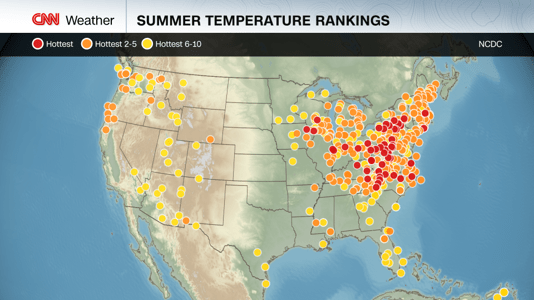
In Tampa, Florida, the thermometer hit 100°F, breaking its all-time high. Even mountainous areas like Knoxville and Western North Carolina haven’t been spared, with mid-90s highs and heat advisories stretching into late July. I knew that it has been hot in Raliegh, but its more than that. It’s a widespread problem.
https://phys.org/news/2025-07-southeast.html
What’s especially alarming is the lack of overnight relief. In places like St. Louis and Raleigh, nighttime lows have hovered around 80°F, nearly 10 degrees above normal.
This trend is particularly dangerous, as it prevents the body from cooling down and increases the risk of heat-related illnesses. This trend is even more dangerous for those facing the housing crisis, wildlife, and stray animals. Some shelters (both homeless and animal related) are facing overheating as well.
Climate Change and the Heat Dome Effect
Experts say this isn’t just a fluke—it’s a climate-driven phenomenon. A persistent heat dome, a high-pressure system trapping hot, humid air, has anchored itself over the region. According to Climate Central, human-caused climate change has made this extreme heat at least three times more likely for nearly 160 million Americans.

https://www.climatecentral.org/climate-shift-index-alert/us-july-2025
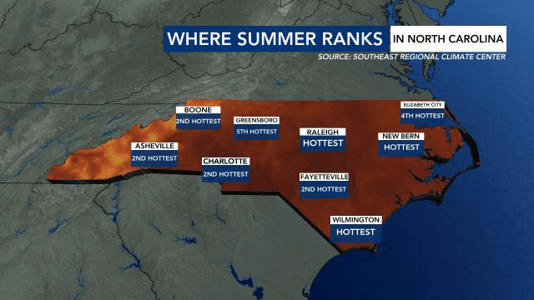
In North Carolina, cities like Raleigh and Wilmington are experiencing their hottest summer on record, while Charlotte and Asheville rank in the top five. The combination of urbanization and elevated dew points has created a perfect storm for oppressive conditions.
Health Risks and Community Impact
The Southeast’s heat waves are more than a meteorological event—they’re a public health crisis. Emergency rooms have reported spikes in heat exhaustion and heat stroke, especially among outdoor workers, children, and older adults. In Tennessee, the National Weather Service warned of “compound effects” due to high humidity and minimal nighttime cooling.
Cooling centers are overwhelmed, and power grids are under strain as air conditioning demand surges. Many places are facing power outages. In rural areas, limited access to cooling infrastructure has left vulnerable populations at heightened risk.
Environmental Fallout
The heat isn’t just affecting people—it’s stressing ecosystems and economies. Wildlife is struggling to find shade and water, and agricultural sectors are seeing crop losses due to heat stress and drought conditions. In Georgia, urban heat islands have intensified the threat, especially in older neighborhoods with limited tree cover.
What Comes Next?
While a slight cool-down is forecast for early August, experts warn that August may bring another round of extreme heat. Advocacy groups, city planners, and health officials are calling for:
- Expanded access to cooling centers
- Public education on heat safety
- Urban greening initiatives to combat heat islands
- Emergency response plans tailored to heat-related crises
But what can we do?
There are plenty of things we can do to adapt to this warming world, starting and ending with taking care of our communities.
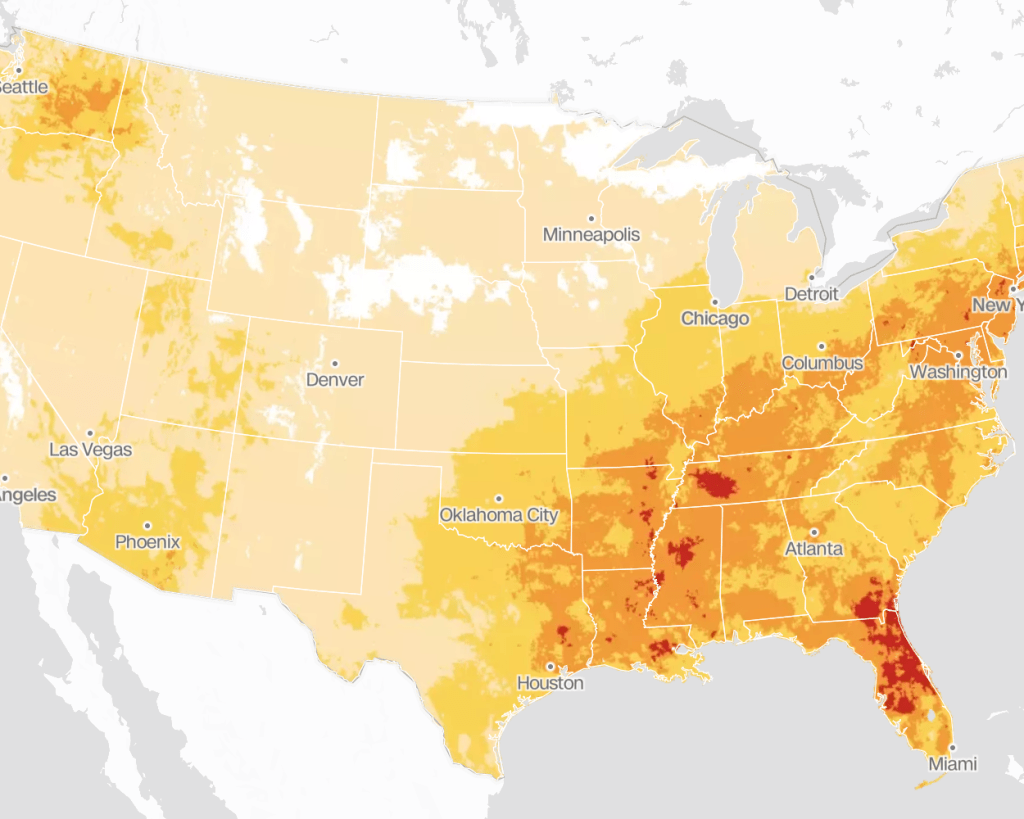
This heat map is updated daily to show heat risk throughout the US. Check it out at the link below!
https://www.cnn.com/2025/07/21/weather/heat-dome-midwest-south-east-climate
- Check in on those who are most at risk: older neighbors, families with young children, and disabled folks are most at risk in rising temps.
- Volunteer with at risk organizations: whether it’s an animal shelter facing high temperatures or a senior center, many nonprofits and other organizations are struggling in the heat. Volunteers can help with cooling efforts and keep moral high!
- Donate and give back: This can look like handing out water to the homeless or donating to climate change fighting organizations. Either way, your kindness and compassion can make a huge difference!
Don’t be discouraged by rising temperatures. We can handle the heat and keep our communities healthy and happy through the hottest summers.
Take care of yourself and your community, and as always reach out if you have any questions/concerns.
Trailblaze on!
— Kaya and the Trailblazing Unleashed Pack
 Trailblazing Unleashed
Leave a comment