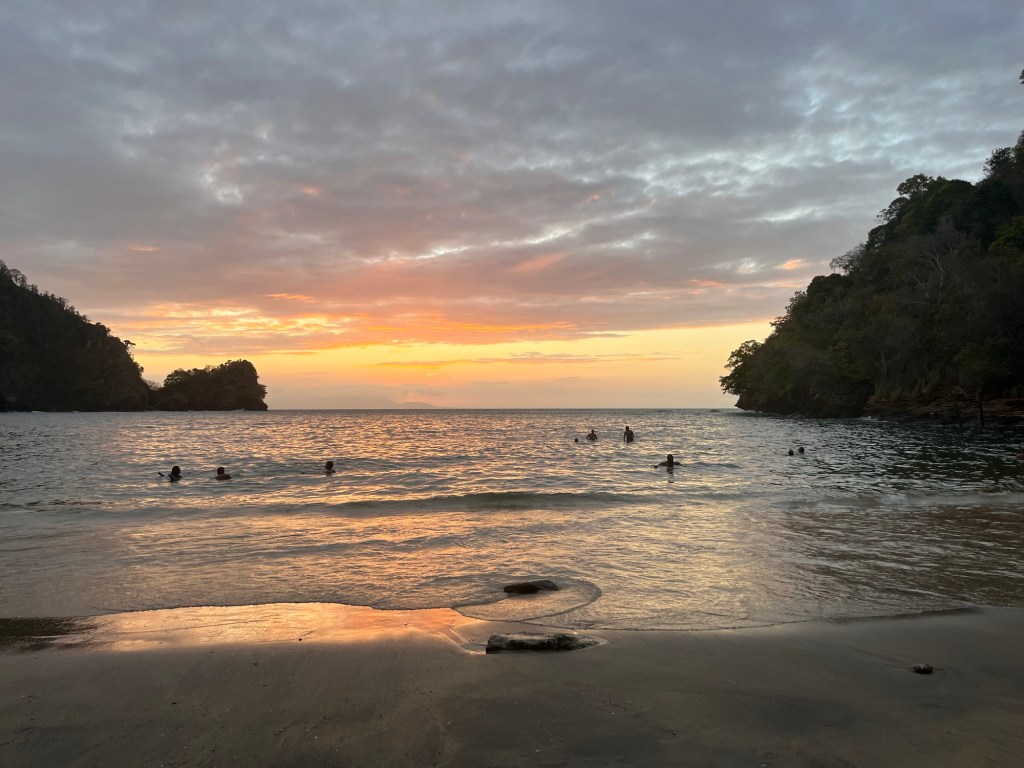
There’s magic in watching a crab scuttle across tide-washed sand or hearing the call of shorebirds echo at sunrise. But for the wild creatures who call the beach home, those moments aren’t just scenic — they’re survival.
Over the past few days, I’ve loved spending time at the beach with my family, but I’ve seen a lot of wildlife too.
Beaches are living ecosystems, woven together by fragile balances between land, sea, and species. The same spaces we enjoy for recreation are nesting grounds, feeding areas, and safe havens. Here’s how you can help protect the wild lives that thrive there.

Respect Nesting Areas
Many coastal birds — like plovers, oystercatchers, and terns — nest directly on open sand. Their eggs blend perfectly into the terrain and are easily crushed by unsuspecting beachgoers or unleashed dogs. As always, I would recommend leashing your pup in a public space where wildlife may be present.
Tips:
- Watch for roped-off sections or signage and give wide berth.
- Teach kids to spot footprints but avoid disturbing them.
- Keep dogs leashed and away from bird colonies.
Sea Turtle Stewardship
During nesting season, sea turtles come ashore to lay eggs and later, hatchlings emerge in search of the sea. Human activity can disorient them and even block their path.
Ways to help:
- Avoid walking on dunes, which often host nests.
- Don’t use flashlights, phone lights, or camera flashes at night.
- Leave hatchlings alone — it’s tempting to help, but trained volunteers follow strict protocols.
Leave No Trace, Not Even Breadcrumbs
Food scraps attract predators and scavengers, disrupting natural balances. Trash — especially plastics — often ends up in the ocean and harms marine life through ingestion or entanglement.
Beach clean-up basics:
- Pack out ALL trash, including micro-waste like wrappers or bottle caps.
- Use reusable containers and avoid single-use plastics.
- Don’t bring glass to the beach! This seems obvious, but no one wants glass shards scattered through the sand.
- Join or host a local clean-up day — even 15 minutes helps. If you don’t want to join a formal clean up, spend part of your beach day picking up trash you see.
Give Washed-Up Wildlife Space
Seeing a stranded jellyfish, seal, or seabird might tug at your instincts — but sometimes the best help is minimal interference.
When to act:
- If the animal is injured or entangled, call a local wildlife rescue or ranger station.
- Keep dogs and curious kids away.
- Avoid touching — many marine animals are sensitive to oils on human skin.
- If you see an aquatic creature stuck on shore (starfish, sand dollar, etc) that you won’t get hurt by touching and you won’t hurt it, feel free to move them back into the water.
- Don’t take any live creatures home! Check shells for little crabs and invertebrates. Don’t take live starfish and sand dollars.
Educate, Advocate, Protect
Wildlife stewardship doesn’t end when you shake sand from your shoes.
Long-term actions:
- Share safety tips with friends and fellow beachgoers.
- Support organizations that monitor and protect coastal wildlife.
- Choose eco-friendly sunscreens and beach gear that don’t leach chemicals.
Reflections from the Trail and Tide
Helping wildlife isn’t about sacrificing fun — it’s about expanding joy to include the creatures who were here long before our sunbathing blankets arrived. Every set of footprints we leave on the sand has impact. When those footprints are intentional, respectful, and rooted in stewardship, the shoreline thrives.
Let’s blaze trails that don’t just visit nature — they protect it.
Enjoy your next beach day and Trailblaze on!
— Kaya and the Trailblazing Unleashed Pack
As always, I am not a marine scientist. This is just a rough outline of what you can do to help. My posts are not all knowing, so if you have something to add reach out in the comments.
 Trailblazing Unleashed
Leave a comment