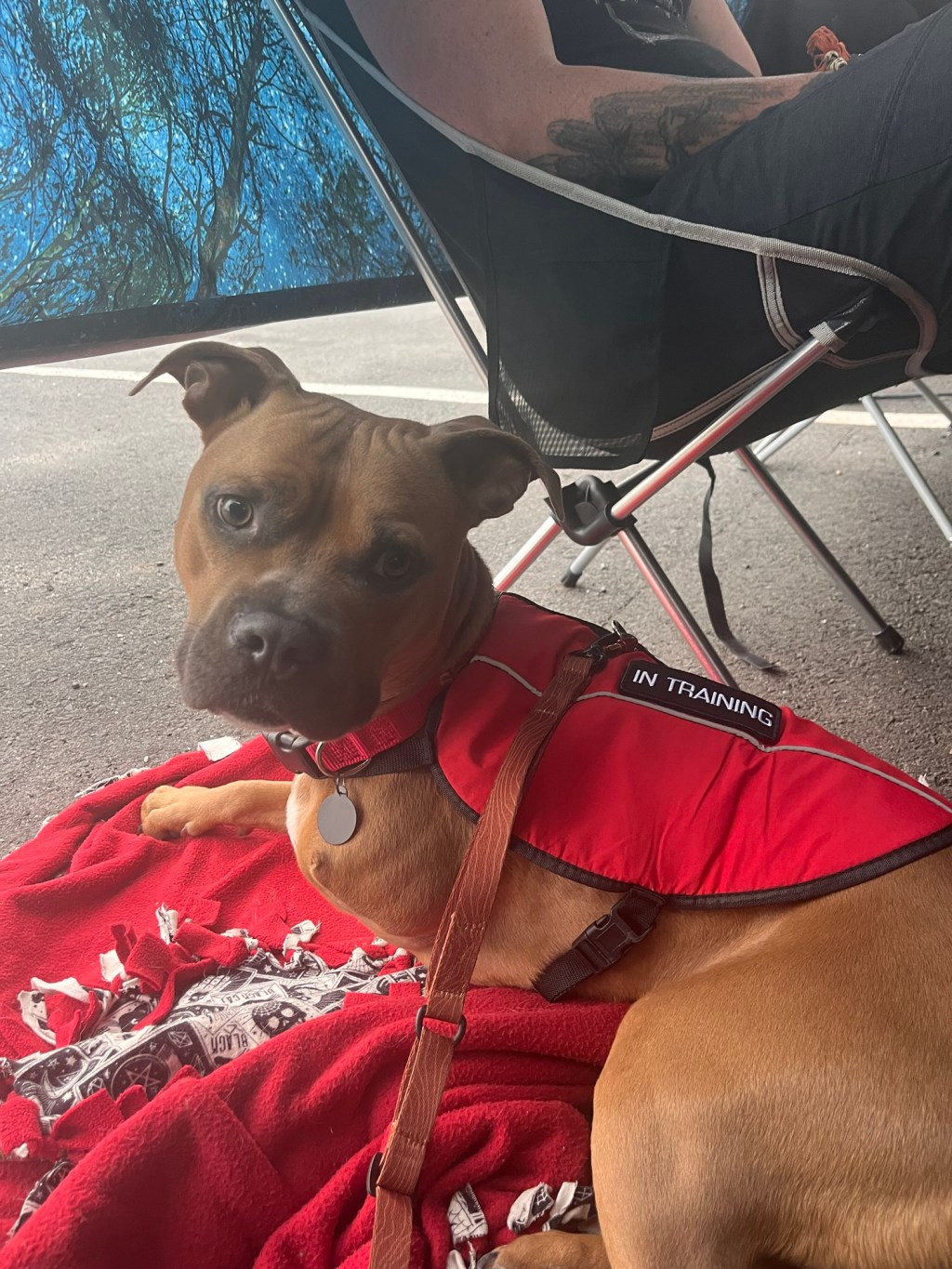
It may be a typical Friday for me, but my blood pressure has decided that it’s feeling extra low today, so I thought that for today’s post I would talk about low blood pressure!
As someone with dysautonomia, low blood pressure is a frequent struggle for me. It’s not always predictable, but fortunately for me it is usually manageable. As the summers get hotter and my adventures get longer, I’ve been learning how to cope with low blood pressure on the move. This post focuses on a bit of background info and what to do when your blood pressure decides to crap out on you.
What is Low Blood Pressure
Low blood pressure (hypotension) occurs when the force of blood pumping through your arteries drops below normal. During a chronic illness flare-up — whether tied to dysautonomia, adrenal insufficiency, autoimmune disorders, or other conditions — this dip can become dramatic.
Common symptoms may include:
- Dizziness or lightheadedness (especially when standing)
- Fatigue or foggy thinking
- Nausea or fainting
- Blurry vision or “graying out”
- Cold extremities
The tricky part is that these symptoms can creep in gradually or slam into you without warning. For me, today started normal and my blood pressure began to dip after breakfast. I started to notice my legs and hands going numb when I was sitting through a longer meeting, and Trace was being extra vigilant, so I knew I had to make some changes. Fortunately, I was in a safe and controlled location when this happened this morning, but you might not always be. The outdoors makes them feel more risky, but also more manageable — if you’re prepared.
Grounding Strategies During a Flare-Up
So you noticed your blood pressure is low. What now?
1. Stop, Sit, Elevate When your blood pressure tanks, posture matters. Sit or lie down, and if possible, elevate your legs to encourage blood flow to your brain. If you’re out and about or on an adventure, use whatever you have on you to make yourself comfortable. This could be your pack, a tree stump, or even a sleeping pad as support.
2. Salt + Fluids = Stability Fluids expand your blood volume, and salt helps retain it. During flare-ups:
- Sip electrolyte solutions or oral rehydration salts (ORS).
- Eat salty snacks like pretzels, olives, or salty trail mix.
- Add a pinch of salt to water if no ORS is on hand.
3. Compression and Layering Compression socks or leggings can reduce blood pooling in legs. Layering helps combat temperature swings that often accompany hypotension (especially in outdoor conditions). This helps me a lot during colder weather, whereas heat wave requires a different approach. There’s a delicate balance between compression and heat stroke.
4. Small, Frequent Moves Avoid sudden changes like quickly standing or crouching. Shift gently. Break long hikes into short intervals with seated rests. It’s not about speed — it’s about awareness. Usually my blood pressure drops quickly, and I can go from comfortable to dangerously lightheaded in under a minute. Trace helps me register when it’s getting interesting, but for those of you without a service dog, pay careful attention to how your body is responding.
5. Know When to Call It This one’s hard for adventurers. But some flares require more than trail-side triage. If symptoms worsen or don’t improve after resting and replenishing, it’s okay to head back. It’s not quitting — it’s choosing to continue, smarter. I am a stubborn creature of habit, so I won’t call it when it’s time. I know this is something I need to work on but be patient with yourself.
Packing List for Hypotension Management
- Electrolyte packets or ORS tablets
- Salty snacks (single-serve for easy access)
- Compression gear
- Soft mat or sit pad
- Emergency ID and condition card – Apple medical ID also works (check out the health app). This is just to make sure you can describe your condition in the event you are incapacitated.
- A plan: trail buddy, signal method, or a check-in schedule. Make sure you’re being smart while having fun.
- If applicable, a service dog! I bring Trace with me any time I’m heading out on an adventure.
Reflections from the Trail
Your flare-ups don’t make you weak. They make you wise. Having low blood pressure doesn’t have to be a game ender, just a game changer.
Listening to your body is a skill honed over time — a practice, not a punishment. You can be strong and slow. Empowered and resting. And yes, you can still blaze trails with hypotension on board.
So next time your vision swims or your knees buckle, remember you’re equipped. You’re not alone. And the summit can wait — your safety cannot.
Take your time and Trailblaze on!
— Kaya and the Trailblazing Unleashed Pack.
As always, this is not medical advice just tips from personal experience. If you have genuine medical concerns always talk to your doctor.
 Trailblazing Unleashed
Leave a comment