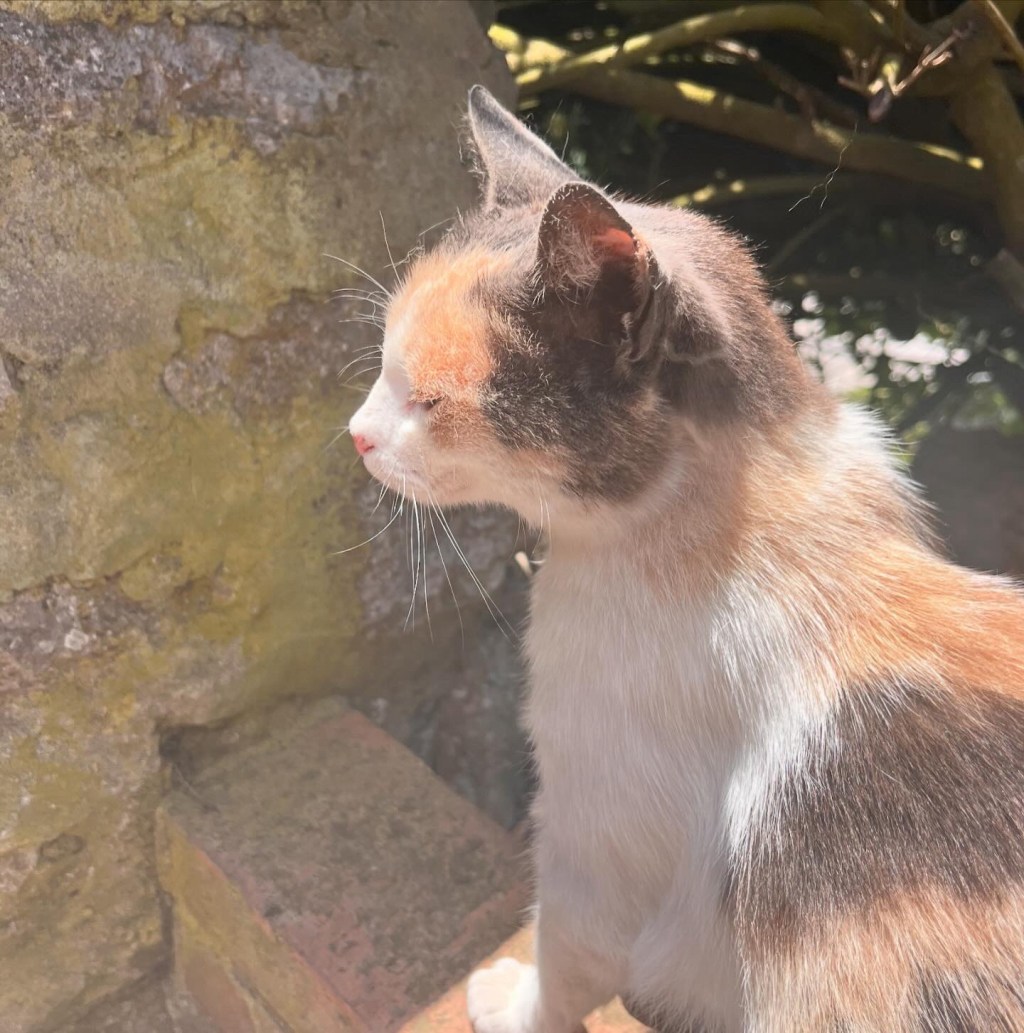
In our third post on how to beat the summer heat, we’re looking at how to protect local strays and outdoor cats!
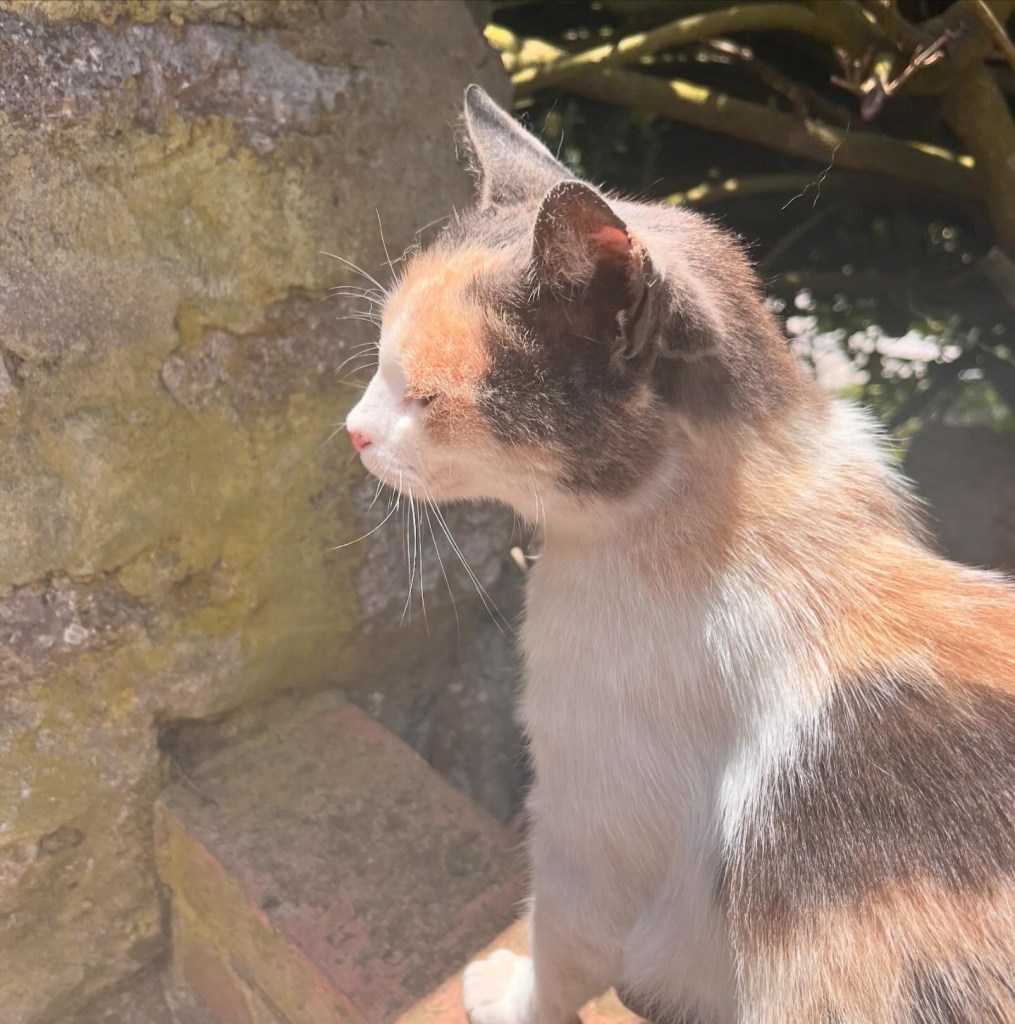
They linger on the edges of neighborhoods, sun themselves on barn roofs, or silently nap in hedges—outdoor cats are a familiar sight in rural and urban settings alike. Some are beloved mousers or semi-feral fixtures, while others are strays surviving without consistent care. When the summer heat ramps up, these cats face serious, often invisible dangers.
Understanding how heat impacts outdoor felines is a vital step toward building more compassionate communities. Here’s how to recognize the risks and how small acts can make a big difference.
Why Heat Is Dangerous for Outdoor Cats
Cats are known for their heat-seeking habits—lounging in sunbeams, sprawling across warm car hoods—but high temperatures can quickly turn hazardous. Unlike dogs, cats aren’t typically walked or observed closely, so the early signs of heat distress often go unnoticed.
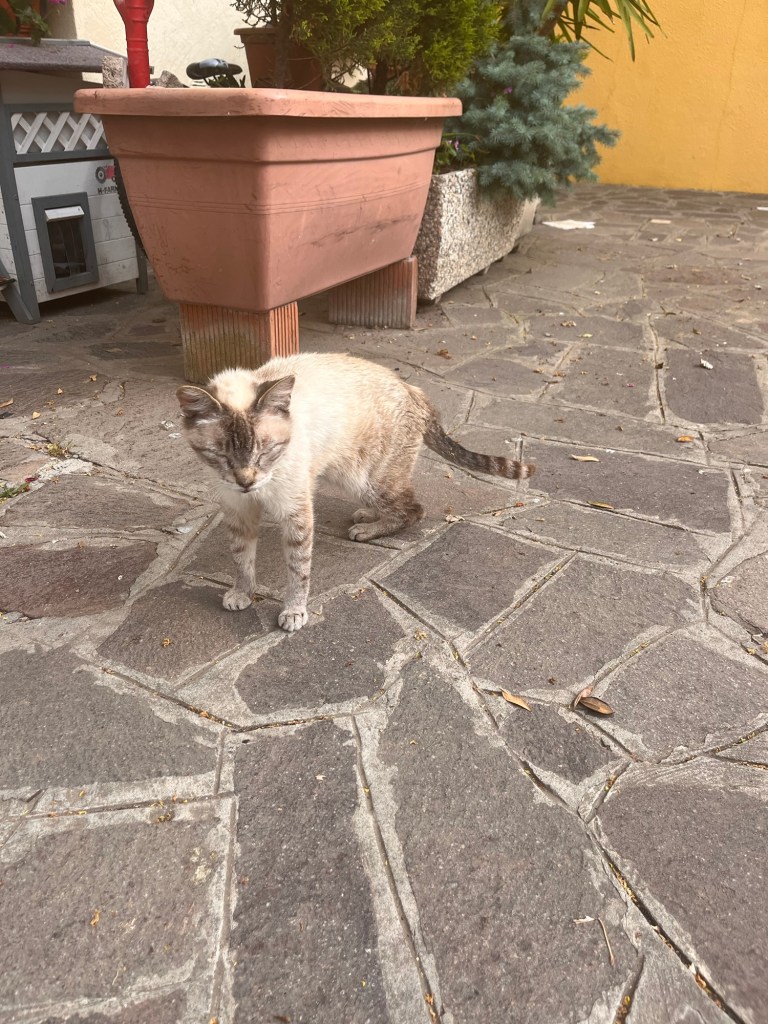
Cats regulate body heat by grooming and resting in shaded areas, but extreme weather can overwhelm these natural tactics. Temperatures above 90°F (32°C), combined with high humidity and lack of shelter, can lead to:
- Heat exhaustion and dehydration
- Respiratory distress (especially in brachycephalic breeds)
- Burns on paw pads from hot pavement or metal surfaces
- Organ damage in extreme cases of heat stroke
Kittens, elderly cats, and those with illnesses are especially vulnerable—and many strays fall into these categories.
Signs of Heat Distress in Cats
While many cats will simply hide when it gets too warm, some may show visible signs of trouble:
- Excessive panting or open-mouth breathing
- Lethargy or disorientation
- Drooling or vomiting
- Rapid heartbeat or red gums
- Collapse or unconsciousness in severe cases
Any of these symptoms warrant immediate veterinary care—but access for strays is often nonexistent. That’s why proactive prevention is so important.
How to Help Outdoor and Stray Cats Beat the Heat
Even if you can’t bring them indoors, you can improve summer survival odds for cats living outside:
- Create Shaded Resting Spots: A simple plastic bin with a cutout door, lined with a towel and placed in the shade, offers refuge from blistering sun. Try elevating it slightly to improve airflow underneath.
- Provide Fresh, Clean Water Daily: Water bowls in shaded areas should be wide, shallow, and heavy enough not to tip. Freeze a portion overnight or add ice cubes to help it stay cool longer.
- Avoid Metal Feeding Bowls: These heat up quickly and can burn sensitive paw pads or noses. Use ceramic or plastic instead, and tuck feeding stations under a porch or shrub cover.
- Consider Cooling Aids: Reflective emergency blankets or tarps over feeding stations can block sun exposure. Cooling mats made for pets may also help when placed in shady nooks.
- Monitor Local TNR Colonies: Volunteers in trap-neuter-return (TNR) programs can do daily checks, restock supplies, or identify cats in need of medical attention due to heat stress.
I know that you’re all busy people, but these little actions can help a lot! Any time you can spare can increase survival odds for our feral feline friends.

Community Care Is Climate Care
As climate change drives longer, hotter summers, outdoor cats become frontline victims. Integrating heat preparedness into humane outreach is crucial—especially in areas with high stray populations or limited shelter access.
If you’re part of a neighborhood group, shelter, or farm network, consider starting a heat safety initiative: supply kits, donation drives for water bowls, and signage encouraging slow driving near shaded spots where cats may rest.
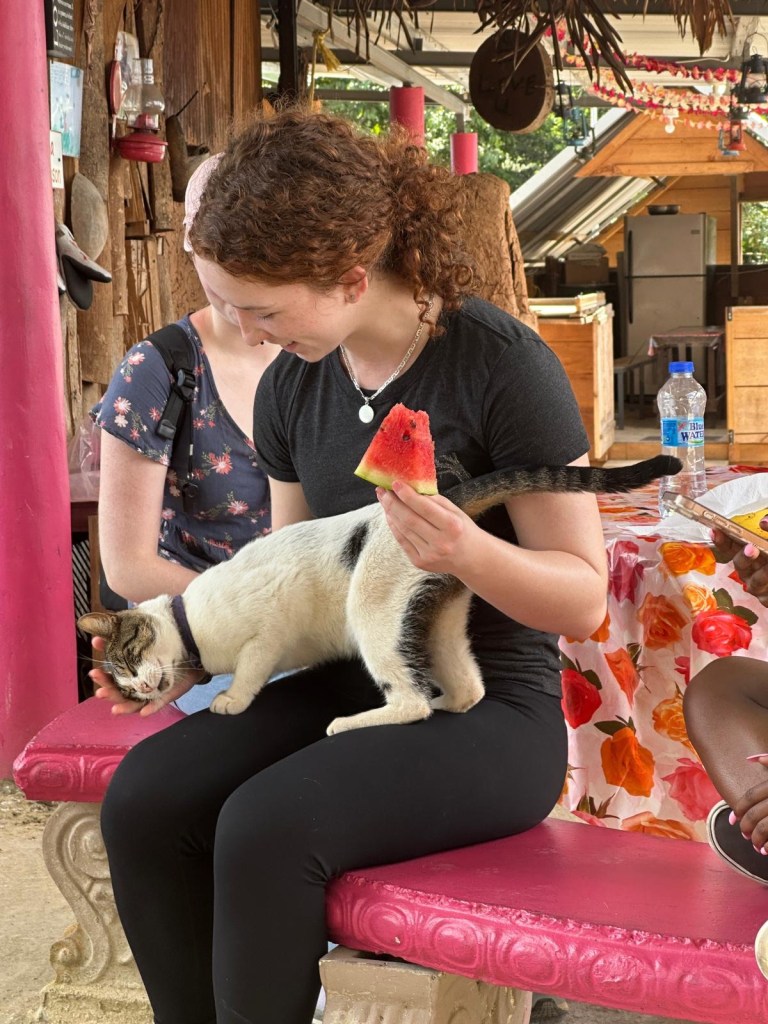
Thank you all so much for readings, and I hope that this post can help you make a difference for your local strays.
Stay cool and trailblaze on!
— Kaya and the Trailblazing Unleashed Pack
 Trailblazing Unleashed
Leave a comment