
Introduction
Bringing a pet into your life is a big decision and choosing where to adopt is just as important as picking the right companion. While some future pet owners turn to rescues or shelters, others prefer to go through breeders to obtain specific breeds with known backgrounds. But which is the right choice? The answer isn’t one-size-fits-all—it depends on individual needs, ethical considerations, and long-term commitments.
This article examines the pros and cons of rescue adoption vs. breeder adoption, providing insight into key factors like health, temperament, and ethical concerns. Trace and I are also going to include some of our personal experience and talk about why I decided to rescue instead of adopting from a breeder.
Rescue Adoption
Rescue organizations and shelters take in stray, abandoned, or surrendered animals, offering them a second chance at life. Many rescue pets face uncertain pasts, but shelters and foster systems work hard to rehabilitate them before adoption. Rescue adoption can be in the form of adopting from a private rescue, an animal shelter, or a pet foster parent through a shelter.

Pros of Rescue Adoption
- Saving a Life – Every year, over 6 million pets enter shelters in the U.S., and choosing adoption helps reduce overcrowding and unnecessary euthanasia.
- Lower Cost – Adoption fees typically range from $50 to $300, including vaccinations, spaying/neutering, and microchipping—far cheaper than purchasing from a breeder. Trace was about $25, and his foster mom gave us so many things for him! We got a crate, a bowl and about a month of food for him when we adopted him.
- Variety of Animals – Shelters house dogs, cats, rabbits, birds, and even exotic pets, offering many choices beyond purebred animals.
- Ethical Considerations – Rescue adoption helps discourage puppy mills and irresponsible breeding practices that contribute to pet overpopulation.
Cons of Rescue Adoption
- Unknown Medical History – Some shelter animals come with pre-existing health issues or uncertain genetic backgrounds that could lead to unexpected vet bills.
- Behavioral Challenges – Many rescues have past trauma or behavioral quirks, such as fearfulness or difficulty with training due to previous neglect.
- Limited Breed Selection – If you’re looking for a specific breed, rescues may not always have what you want, making it harder to find specialized working dogs (like service animals). You may also think you’re getting one breed and end up with another. This is incredibly common when adopting puppies from shelters!
Personal Anecdote – two out of the three dogs my family owns are rescues! Both of our rescues are not the breed we thought they would be. However, both are loved all the same.
We thought our dog Bumble was an Australian Shepherd when we adopted him (that’s what the shelter told us) and he is so clearly not. He’s about a hundred pounds, and not exactly aussie looking!

We adopted him as a puppy, and have loved him every since! He is our most well behaved dog, and we’ve had very few behavioral issues with him in the eight years we’ve had him.
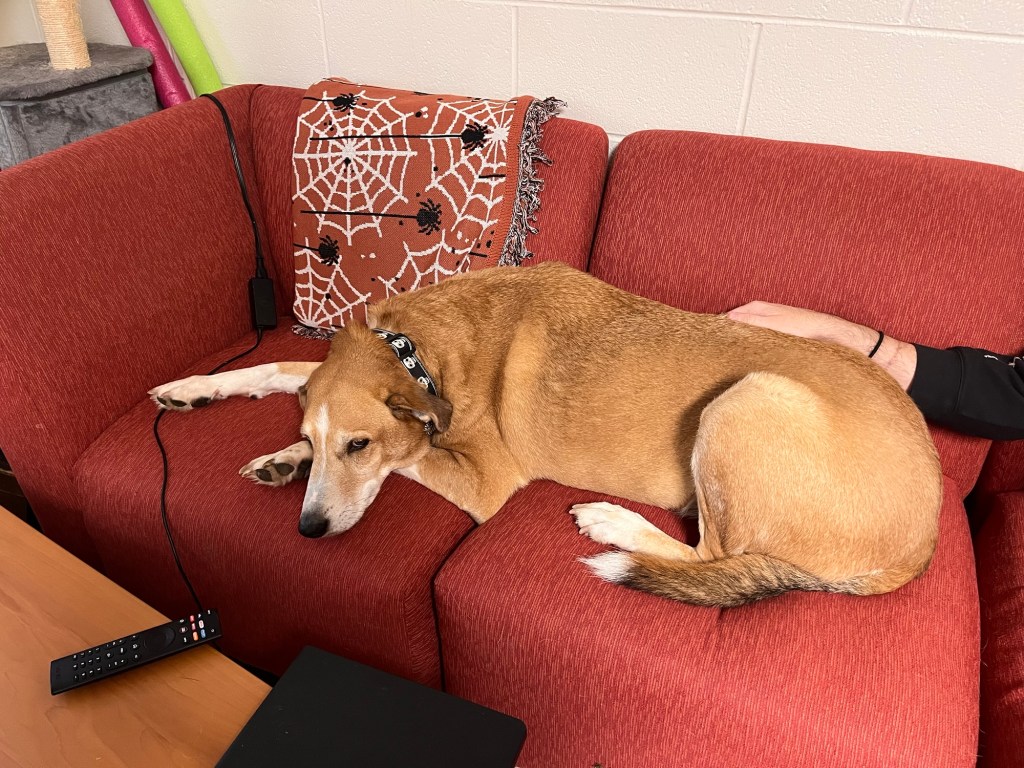
Our other dog, Shasta, is supposedly a Husky. I’m a little suspicious to say the least.

He had more behavioral issues, and is one of our more prissy dogs. He has terrible separation anxiety, and was a bit of a chewer in his early days. We adopted him as an adult, so he was a bit harder to train. However, he has fully relaxed and is a great family dog now!
Breeder Adoption
Reputable breeders focus on maintaining breed standards and responsible breeding practices. If you’re looking for a specific dog breed with predictable traits, breeders often provide detailed genetic histories and lifelong support.
Pros of Breeder Adoption
- Predictable Genetics & Health – Quality breeders perform genetic testing to ensure their puppies are free from hereditary conditions.
- Stable Temperaments – Well-bred animals are socialized from birth, making them more predictable in behavior compared to rescues.
- Early Training & Support – Ethical breeders often begin early training, making it easier for new owners to handle housebreaking and obedience.
- Working Dog Specialization – If you need a service dog, therapy animal, or specialized breed, breeders ensure puppies are raised with structured training for specific roles. However, you do not need to get your service dog from a breeder. It may make it easier, but it is 100% possible to train a rescue.
Cons of Breeder Adoption
- High Cost – Purchasing a pet from a breeder can cost between $1,000 and $5,000, depending on the breed and lineage.
- Potentially Unethical Breeding – Some breeders prioritize profit over animal welfare, leading to genetic disorders and poor conditions.
- Pet Overpopulation Concerns – While responsible breeders contribute positively to specific breeds, excessive breeding can increase pet homelessness.
Personal Anecdote – One of our three dogs is from a breeder! My sisters dog Moonshine, is a mini aussie from a breeder in NC. He is exactly what they said he is.

However, he is a bit more behaviorally challenged. He’s constantly improving, but getting a dog from a breeder is not a guaranteed perfect pup. Moon is our most anxious pup, and most vocal about it. We’re working with him on it, but thank god he’s cute!

Making the Right Choice
Choosing between rescue and breeder adoption depends on your lifestyle, priorities, and ethical stance. Here’s a summary:
| Factor | Rescue Adoption | Breeder Adoption |
|---|---|---|
| Cost | Low ($50–$300) | High ($1,000–$5,000) |
| Health History | Uncertain, potential past issues. However, they are usually spayed/neutered before adoption. | Genetic screening and breed-specific health |
| Behavior & Training | May require extra patience | Predictable temperament and early training |
| Breed Availability | Limited variety | Specific breeds for working or companion roles |
| Ethics & Impact | Supports homeless pet adoption | Can contribute to responsible breeding |
If you’re passionate about rescue advocacy, adopting from a shelter or foster organization may align better with your values. If you want to make sure you’re getting a specific breed or a dog that you can train from puppyhood, a breeder might be the right choice for you.
No matter where you adopt, commitment, love, and responsible care are what truly matter. Whether you choose to give a rescue pet a second chance or invest in a pedigree pup, ensuring a lifetime of compassion is the best choice you can make. We’ll write more soon about how to know when you’re ready for a pet, but once you make the decision to take in a new family member, your is in for a change!
Trailblaze on!
–Kaya, Skully, and Trace
 Trailblazing Unleashed
Leave a comment