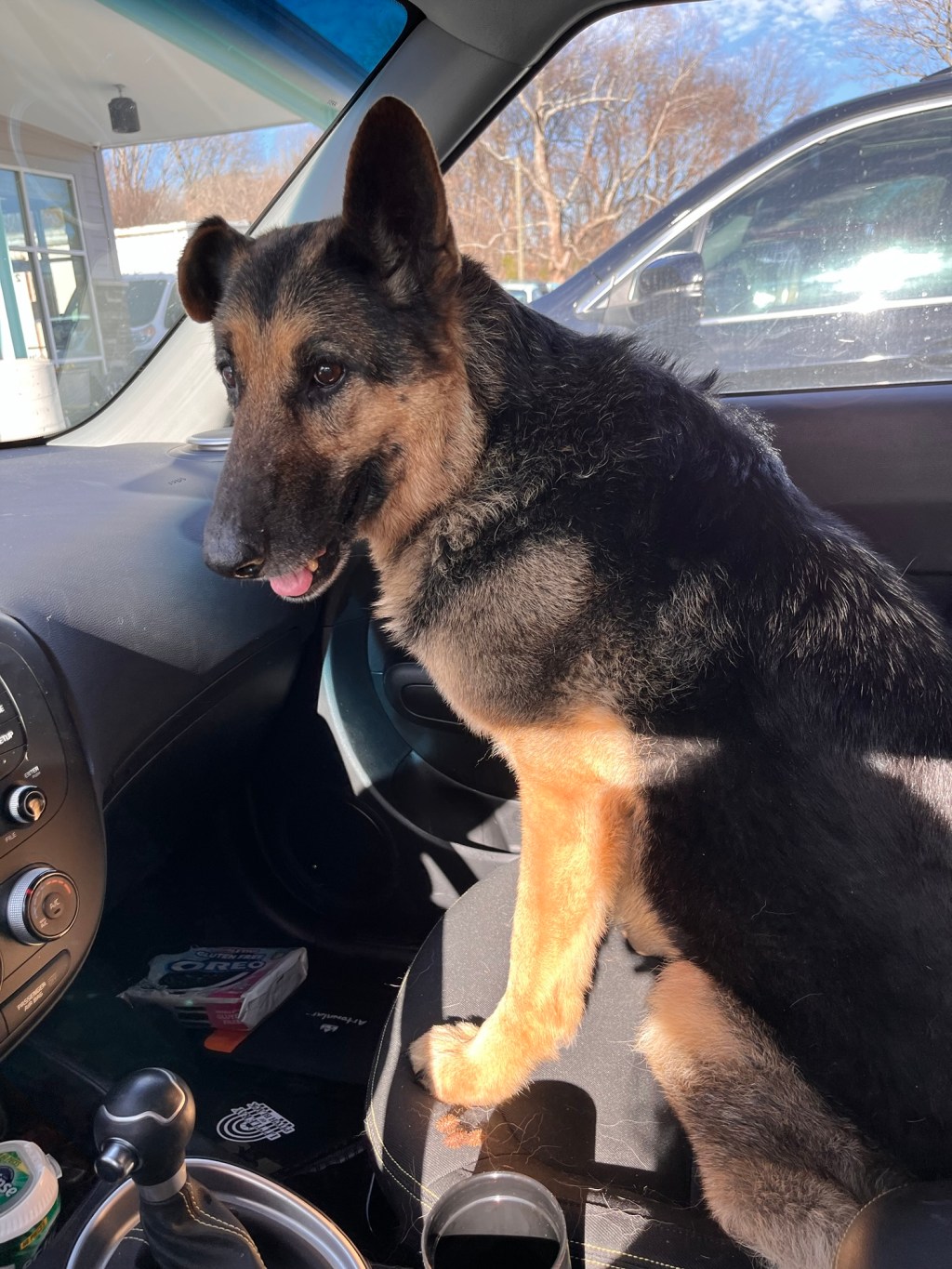
Spotting a stray dog can be alarming and emotional—you want to help, but approaching an unfamiliar animal requires care and caution. I have a lot of personal experience with saving roadside dogs and terrifying my father in the process. I’m sure one of these days I’ll share my story, but until then, here is how to save a stray is the safest way!
A bit of a side note, stray cats are an entirely different situation! Do not use this as professional instruction for any stray capture, but definitely do not use this to capture stray cats! It will not work!
1. Assess the Situation
Before taking action, observe the dog’s behavior and surroundings:
🐾 Is the dog friendly or fearful? A wagging tail and relaxed posture may indicate approachability, while growling or cowering suggests distress. Do not approach an aggressive dog, call animal control instead! They can peacefully contain animals that may be aggressive or fearful.
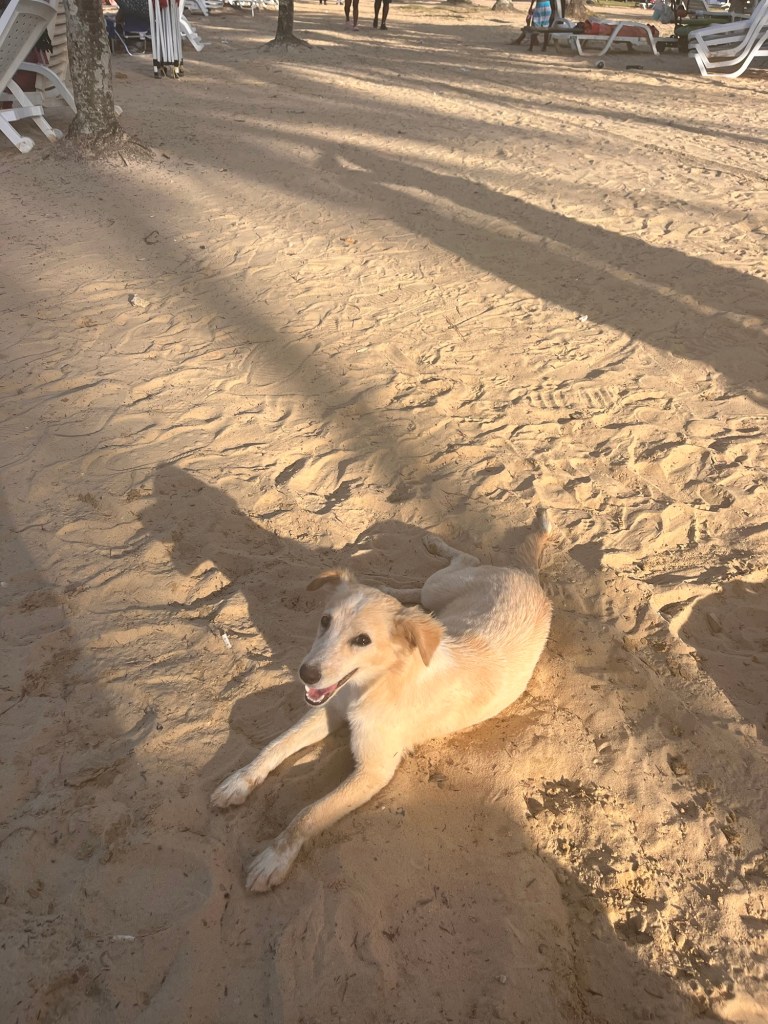
🚗 Is the dog near traffic? If the dog is in danger, try to redirect them to a safer area without putting yourself at risk.
🏷️ Does the dog have a collar or tags? Visible ID can help reunite them with their owner quickly. It also means this dog may be more open to human interaction! Also be sure to know what a hunting dogs collar looks like. Hunting dogs are often tracked by their owners and don’t need your help!
The final and most important component is your safety. Are you compromising your safety by helping this animal? Are you putting yourself into harm’s way (traffic, etc)? And finally, do you think someone could be using this animal as bait for an unsuspecting victim like yourself? This is incredibly rare, and I like to think that people don’t often suck that much, however, please be careful, and make sure someone you know knows what you are planning to do in advance. Never charge into a situation unprepared!
Additionally, make sure that you have a plan of action once you get ahold of the animal! Make sure that you have somewhere you can take it, or a mode of transportation that doesn’t endanger you or anyone you are around.
2. Approach with Caution
If the dog appears calm and approachable, you can try to gain their trust:
✔ Move slowly and avoid sudden movements.
✔ Speak in a gentle, reassuring tone.
✔ Offer food or treats to encourage them to come closer.
✔ Never chase the dog—this can cause panic and lead to dangerous situations.
If the dog seems aggressive or extremely fearful, do not attempt to capture them. Instead, contact local animal control or a rescue organization for assistance.
3. Secure the Dog Safely
If the dog allows handling, secure them with a leash, slip lead, or inside a safe space (like a fenced yard or car).
🚑 Check for injuries—if the dog is hurt, contact a vet or shelter immediately.
📞 Call local animal shelters or rescues to report the stray and check for missing pet alerts.
🔍 Scan for a microchip—most vets and shelters can do this for free.
Never leave the county or area with the animal! This can inhibit reunification efforts with the animal’s owners.
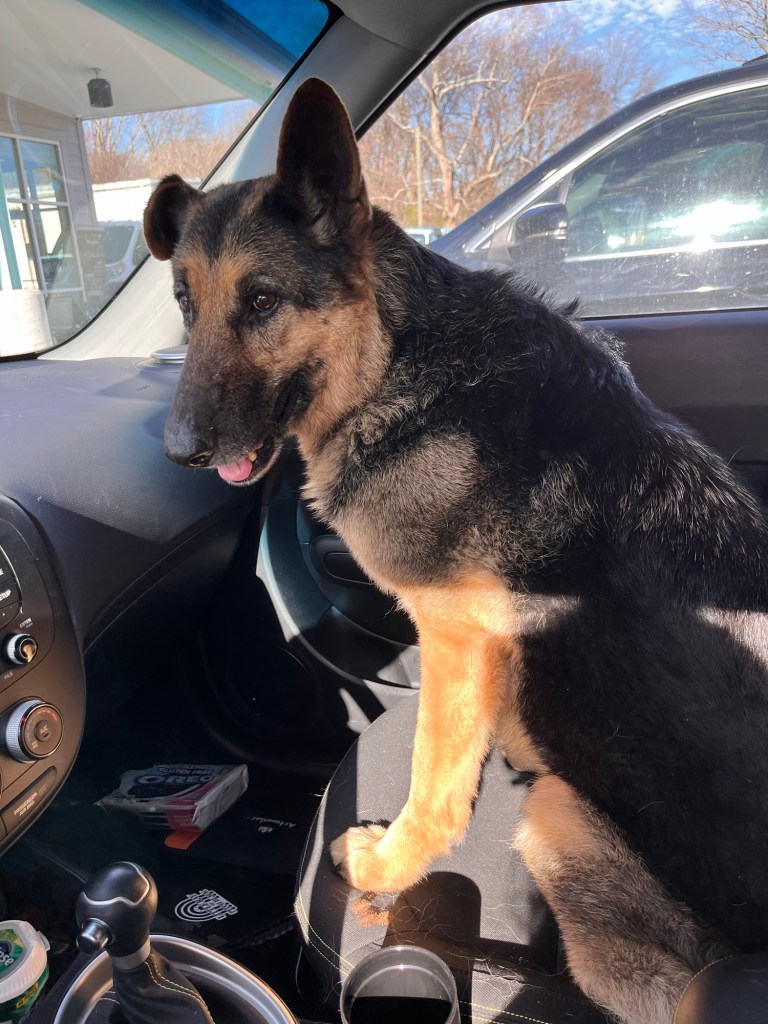
4. Reuniting the Dog with Their Owner
If the dog appears lost, take steps to help them find their way home:
📸 Take a clear photo and post on local lost pet groups, neighborhood apps, and social media.
📍 Check local shelters—owners often report missing pets there.
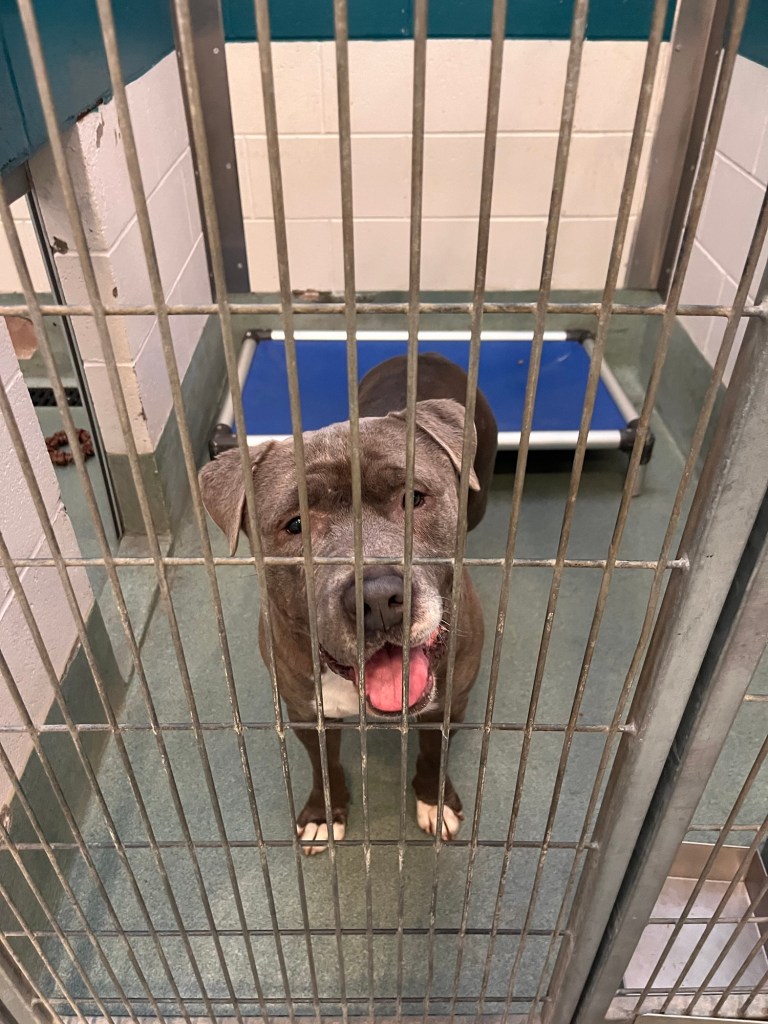
📝 Create flyers with the dog’s description and location.
If no owner comes forward, consider fostering, adopting, or working with a rescue to find them a new home.
Final Thoughts
Helping a stray dog requires patience, caution, and compassion. By following these steps, you can ensure their safety and increase their chances of reuniting with their family. Feel free to help dogs in need, but make sure you’re being safe!
Have you ever helped a stray dog? Share your experience in the comments!
Trailblaze on!
–Kaya, Skully, and Trace
 Trailblazing Unleashed
Leave a comment