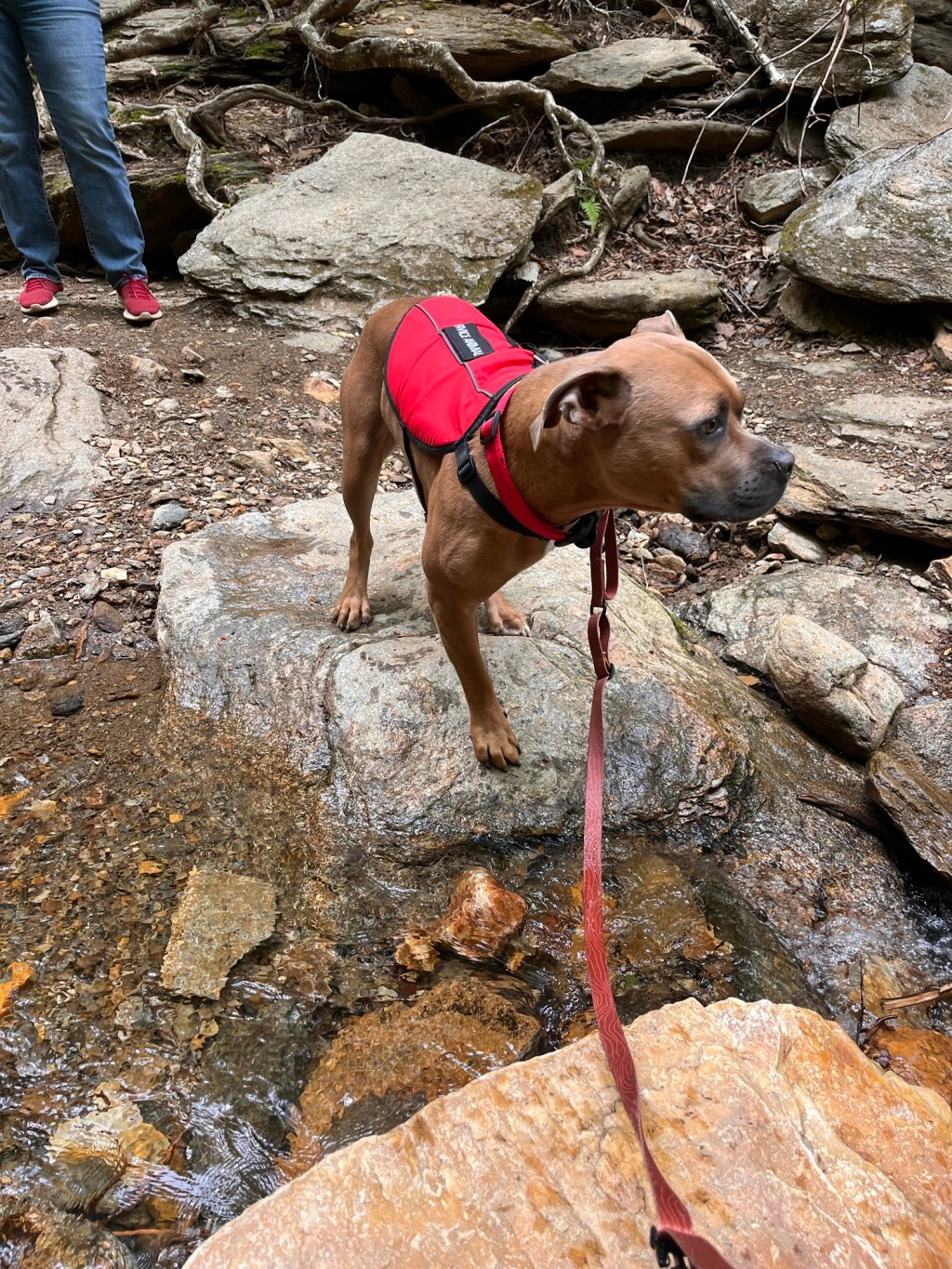
Understanding and Managing Dog Separation Anxiety
Separation anxiety can be a tough challenge for both dogs and their humans. Trace and I deal with this all the time! Because he’s nearly always with me, when I have to leave him behind, it can be incredibly stressful for us both. The signs of separation anxiety —excessive barking, destructive behavior, or even self-injury—can feel overwhelming, but the good news is that with patience and consistency, you can help your pup feel more secure when alone.
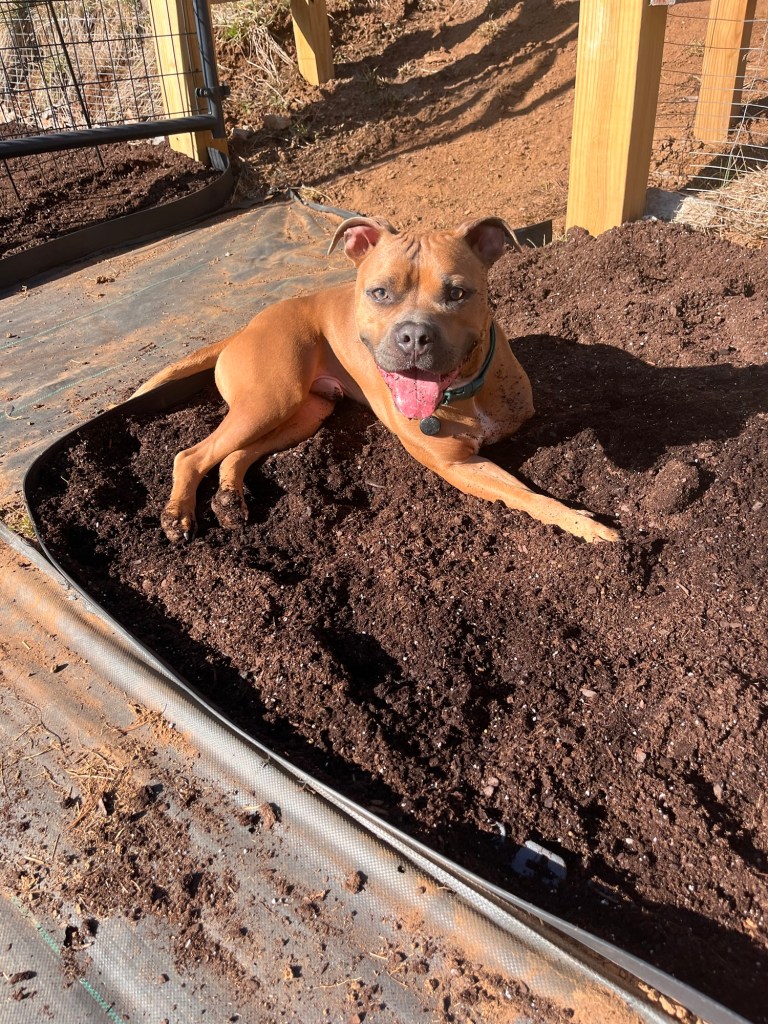
Trace’s Journey
Since adopting him in November 2024, Trace has been nothing short of a mamas boy. Anyone in our lives will tell you he is nothing short of pathetic when I leave the room without him. He wines, paces, and tries to chase me down until I come back nine times out of ten. This makes it really hard to leave him behind, even for a quick trip to the bathroom.
That being said, we have made a lot of progress since then! Through lots of trust building and training, we have made a dent in his anxiety.
Recognizing Separation Anxiety in Dogs
Before jumping into solutions, it’s important to identify whether your dog is experiencing true separation anxiety or just boredom. This can be a big difference, in both doggy behavior and how you treat it. Signs of genuine anxiety include:
- Pacing or whining when you prepare to leave.
- Excessive barking or howling when alone.
- Chewing furniture, doors, or walls, especially near exit points.
- House-training accidents despite being otherwise trained.
- Attempts to escape confinement, leading to potential injury.
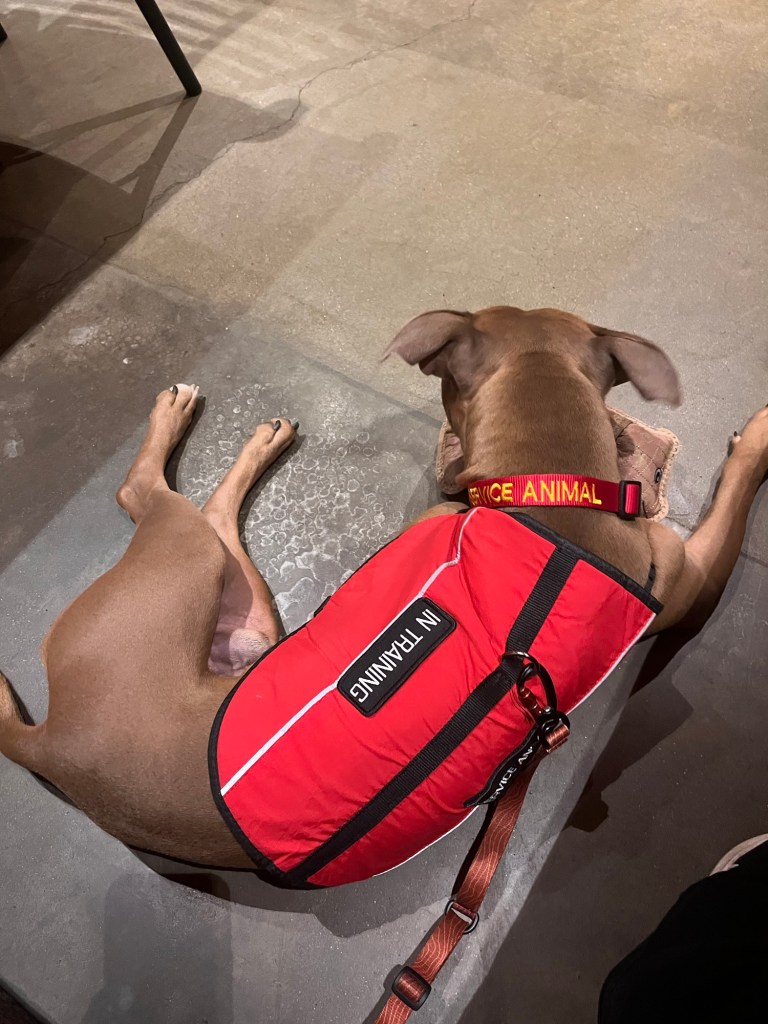
All of these behaviors are not ideal! During Trace’s service dog training, I have tried to mitigate some of these behaviors. However, these behaviors are not ideal for any dog and human combo. Helping your dog feel secure, with or without you, can be a great way to reduce their anxiety.

How to Help Your Dog Feel Secure
1. Gradual Desensitization
Ease your dog into alone time through short periods and gradually increase the duration. Start with a few minutes and build up to longer stretches. If your dog is only mildly anxious without you, leaving them alone for a few minutes can be a really great place to start.
2. Create a Positive Association
Provide your pup with special treats or engaging toys when you leave. Puzzle toys filled with peanut butter or kibble can make alone time feel rewarding instead of distressing.
3. Keep Departures and Arrivals Low-Key
Avoid exaggerated goodbyes or overly enthusiastic reunions. Staying calm helps normalize alone time rather than making it feel like a big event. I know this can be really hard when you’re excited to see them! But according to many of the best canine trainers, it can make an impact.
4. Consider Crate Training
A crate, when used correctly, can provide a safe space for dogs. If your pup sees their crate as a comfortable retreat rather than a form of isolation, it may ease their anxiety. Trace loves his kennel and often chooses to lay there when we’re both in my room together. Because he feels comfortable there, whether I’m there or not, his kennel can make him more relaxed on his own.
5. Maintain a Consistent Routine
Dogs thrive on predictability. Consistent daily schedules—regular feeding times, walks, and play sessions—can reassure them that everything is okay. If you have a more traditional job you have to leave for each day, incorporate your pup into your morning routine. If not, try to create a leaving the house routine that your dog can adjust to and recognize without fear.
6. Try Calming Aids
Certain tools, such as pheromone diffusers, anxiety wraps like the Thundershirt, or even background music designed for dogs, may help create a soothing environment. Some veterinarians also suggest cbd oil or treats if your pup has more sever anxiety.
7. Seek Professional Help if Needed
For severe cases, consulting a veterinarian or animal behaviorist can be valuable. They may recommend behavioral therapy or, in some cases, temporary medication to help your dog cope. This is most common in dogs with traumatic pasts, or senior dogs struggling to adjust to new routines.
8. Talk to Your Dog.
This is my personal favorite, so I included it at the very end. This is the one thing that I did fully on my own when training Trace, and I really think it works. Every time I want Trace to try something new, I explain to him what I want to do and why. I also do this every time I leave him at home. Dogs are thought to understand a surprising amount of human speech, even if they don’t understand it the same ways we do.
In conclusion…
Separation anxiety is a difficult but manageable condition. With patience, consistency, and understanding, you can help your pup feel more comfortable when alone and foster a stronger, trusting relationship. Trace and I have been going through this for months, and we’re making slow but steady progress! Stick with it, and both you and your dog will be much more comfortable in the long run.

Trailblaze on!
–Kaya, Trace, and Skully
 Trailblazing Unleashed
Leave a comment